
Defective Cochlear Implants
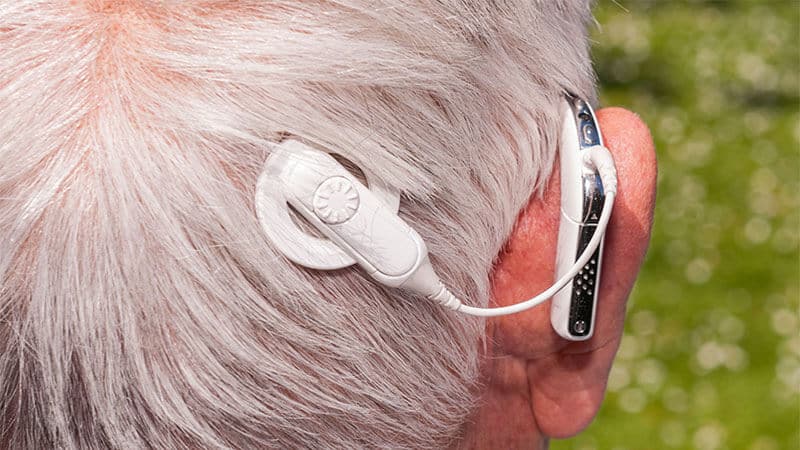
A defective cochlear implant can lead to various severe health issues, including chronic infections, persistent pain, balance problems, and tinnitus. In some cases, improper electrical stimulation may cause facial nerve damage, leading to facial paralysis or twitching. Patients may also experience cognitive and emotional impacts, such as anxiety and depression, due to ongoing communication difficulties. If the device fails completely, a return to profound hearing loss is possible, severely affecting quality of life. In these circumstances, it may be possible to bring a claim to compensate you for your injury, pain, and suffering. Arrange an appointment to discuss your case with an experienced solicitor.
Helpful Information
Bringing a compensation claim following a defective cochlear implant
At McCarthy + Co Solicitors LLP, our team may be able to assist you with bringing a claim if any of the following scenarios are true:
- Surgical error played a part in the malfunction – causing damage to surrounding nerves, blood vessels, or structures during implantation, such as facial nerve injury or incorrect electrode placement.
- Inadequate pre-operative assessment – where healthcare professionals failed to properly assess your candidacy for a cochlear implant, leading to complications or poor outcomes.
- Informed consent issues – where healthcare professionals involved in the procedure failed to provide adequate information about potential risks, complications, or alternative treatments.
- Post-operative care errors – where your healthcare provider delivered inadequate monitoring or treatment of post-surgical infections, device malfunctions, or complications.
- Device malfunction – Where medical staff implanted a defective or unsuitable device without properly addressing known issues.
- Failure to diagnose complications – Where a delayed or missed diagnosis of post-surgical issues led to further health problems.
There may be other scenarios where a cochlear implant caused suffering, pain, and injury due to negligent actions or inactions by medical staff. Arrange a time to discuss your case with an experienced medical negligence solicitor by completing our confidential claim form.
Call us Freephone to Discuss Your Case:
1800 390 555
Request A Call Back
Get a call back from our legal team at a time that suits you.
Highly rated on TrustPilot
Read the latest reviews written by our happy clients.
Meet John McCarthy
John McCarthy is a partner at McCarthy + Co Solicitors LLP, with more than 20 years of experience in medical negligence, including cases involving defective cochlear implants. He has represented clients in high-value cases at the High Court and Supreme Court levels, with a commitment to securing the fair compensation his clients need to manage the ongoing health complications caused by negligence.
John holds a diploma in civil litigation from the Law Society of Ireland and is a member of Action Against Medical Accidents (AvMA), the leading patient safety charity. He is also the author of A Patient’s Guide to Bringing a Claim for Medical Negligence. If you have suffered as a result of a defective cochlear implant, you can contact John directly at john@mccarthy.ie.

Frequently Asked Questions
Some of the questions often posed to our medical negligence team.
What are the most common causes of cochlear implant failure?
Common causes include device malfunction due to manufacturing defects, such as faulty internal components or electrode issues. Moisture ingress can damage the internal electronics, leading to failure. Surgical complications, such as improper placement of the implant or trauma during surgery, can also cause malfunction. Over time, wear and tear on the device or gradual degradation of materials can lead to failure. Additionally, post-surgical infections or inflammation around the implant site can compromise the device’s function, potentially necessitating revision surgery or replacement.
What laws govern the use of cochlear implants?
The use of cochlear implants is governed by EU regulations on medical devices, primarily the Medical Devices Regulation (MDR) (EU 2017/745). This ensures implants meet safety and performance standards before being marketed. The Health Products Regulatory Authority (HPRA) oversees compliance with these regulations. Additionally, healthcare providers are subject to Irish medical negligence laws under the Civil Liability Act 1961 if improper care or errors occur during the implant process. Informed consent, device safety, and post-operative care are also regulated under general healthcare laws and patient rights legislation in Ireland.
How is it possible to bring a claim against a manufacturer?
A claim against a manufacturer can be brought under product liability law if a cochlear implant is defective and causes harm. In Ireland, this is governed by the Liability for Defective Products Act 1991, which holds manufacturers accountable for injuries caused by faulty products. The injured party must prove the defect, the damage suffered, and the causal link between the two. Claims can also be brought under general negligence laws if the manufacturer failed to ensure the safety of the device. Compensation may be sought for medical expenses, suffering, and other losses.
Do I need a solicitor?
While not legally required, having a solicitor is highly advisable when bringing a claim for a defective cochlear implant. A solicitor can guide you through complex legal processes, help gather necessary evidence, and ensure compliance with legal requirements and deadlines. They can also negotiate with manufacturers or insurers on your behalf and represent you in court if needed. Legal expertise increases your chances of a successful claim, as product liability and medical negligence cases can be challenging to prove.

Useful resources
Some links relating to this topic that you may find useful.
- National Library of Medicine – Voluntary Field Recall of Advanced Bionics HiRes Cochlear Implants
- HSS– Cochlear nucleus CI500 implant range
- BMC – The experience of device failure after cochlear implantation
Start your claim
Our Awards & Accreditations
We are a multi-award winning firm, accredited by the Law Society of Ireland.


