
Birth Injury Claims
When something goes wrong during pregnancy, labour, or the days after delivery, the impact on you and your child can be profound. Our team supports families across Ireland who believe their care fell short, and we will guide you through your legal options with clarity, sensitivity, and respect for what you are going through.
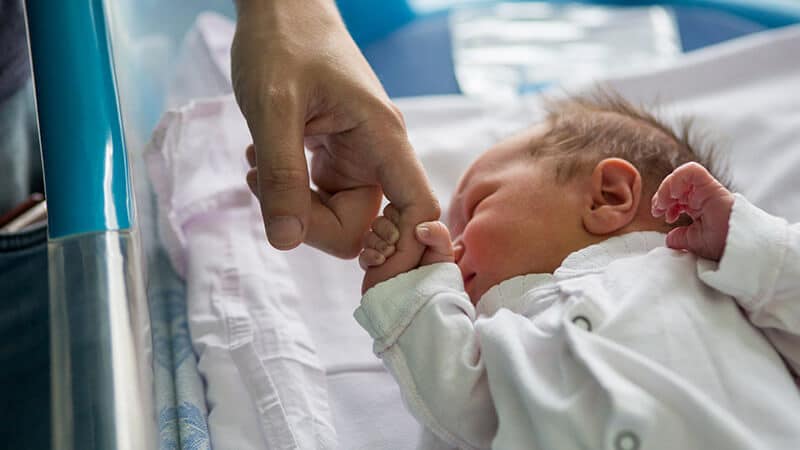
When Birth Injuries Cause Avoidable Harm
A birth injury is harm caused to a mother or baby during pregnancy, labour, delivery, or in the period shortly afterwards. Many births are challenging, and not every poor outcome is the result of negligence. A claim arises only where the care fell below the standard a reasonably competent practitioner would have provided, the test the Irish courts apply following the principles in Dunne v National Maternity Hospital, and where that failing caused, or materially contributed to, the injury. Both of those elements, the substandard care and the link to the harm, must be supported by independent expert medical evidence.
Injuries can affect the baby, the mother, or both. For babies, this can include cerebral palsy or other brain injuries linked to oxygen deprivation, hypoxic ischaemic encephalopathy, brachial plexus injuries such as Erb’s palsy, fractures, and other trauma associated with delivery. For mothers, this can include serious perineal tears, nerve damage, retained placenta, sepsis, and significant psychological harm.
Experienced birth injury solicitors
At McCarthy + Co Solicitors LLP, our team has more than 30 years of experience helping people across Ireland seek fair compensation following substandard medical care. Our medical negligence team is led by John McCarthy, a seasoned solicitor whose litigation work spans the Circuit Court, the High Court, and the Supreme Court. Birth injury claims can arise in many situations, and common examples where there may be grounds for a claim include:
- a failure to monitor the baby properly during labour, where foetal heart rate monitoring (CTG) was not performed correctly, signs of distress were missed, or the response to abnormal readings was inadequate;
- a delay in performing an emergency caesarean section when the clinical situation required it;
- improper use of forceps or vacuum (ventouse) extraction, with excessive force or without proper indication;
- mismanagement of shoulder dystocia, where recognised techniques to release a baby whose shoulder is stuck were not applied promptly or correctly;
- inadequate antenatal care, where risk factors such as gestational diabetes, pre-eclampsia, infection, or reduced foetal movements were not identified or acted upon;
- a failure to manage maternal injuries, such as severe perineal tears, retained placenta, postpartum haemorrhage, or sepsis; and
- errors in neonatal resuscitation or postnatal care, or failures of communication and escalation between staff.
If you are unsure whether what happened to you or your child meets the legal threshold, consulting with an experienced birth injury solicitor will help you understand your position and the options available.
Birth injury claims in Ireland
Birth injuries are, thankfully, rare, and the great majority of births in Ireland are safe. But when something does go wrong, the consequences can be lifelong, and this is reflected in the figures. Maternity and birth-related claims make up only a small share of clinical negligence claims by number, yet they account for a strikingly large share of their cost. At the end of 2022, maternity care claims were about a quarter of the State Claims Agency’s active clinical claims by number, but represented around 63 per cent of its total outstanding liability.
The State Claims Agency, which manages clinical negligence claims against public hospitals, reviewed 80 catastrophic infant claims concluded between 2015 and 2019, and the same largely preventable failures recurred across them. There was a delay in delivering the baby in 77% of the claims, and staff repeatedly failed to interpret an abnormal CTG trace correctly, to monitor the baby’s heart rate properly, or to escalate concerns to a senior clinician in time. The message is that catastrophic birth injuries rarely come out of nowhere; they tend to follow a recognisable pattern of identifiable lapses in care, which is precisely why a careful expert review of the maternity records so often establishes whether a claim exists.
These figures should be read carefully. They do not mean that negligence in maternity care is common. They reflect the fact that when a baby suffers a catastrophic injury, such as cerebral palsy caused by oxygen deprivation, the cost of the lifetime of care they will need is enormous, and individual settlements in the most serious cases have exceeded €20 million. That is why claims of this kind are handled with such care, and why getting the evidence right matters so much.
How a birth injury claim works
Birth injury cases are among the most complex in medical negligence law, and the consequences for a child may not become fully apparent for months or years. The first step is to obtain and review the full maternity, obstetric, and paediatric records, including the CTG traces, operation notes, and discharge summaries. We then commission independent reports from suitably qualified experts, such as obstetricians, midwives, neonatologists, and paediatric neurologists, on the questions of standard of care and causation described above.
Unlike most injury claims, medical negligence claims do not go through the Injuries Resolution Board; they are issued directly in court. Where the care was provided in a public hospital, the claim is, on the other side, managed by the State Claims Agency, the State body responsible for defending clinical negligence claims against the HSE. Where care was private, the claim is against the hospital or consultant and their indemnifier. Issuing proceedings does not mean a case will be fought all the way to a trial, and many claims are resolved by negotiation or mediation along the way.
Because these claims are usually brought on behalf of a child, any settlement must be approved by a judge to make sure it is fair, in a process known as an infant ruling. In the most serious cases, involving lifelong disability, the compensation is increasingly structured as a periodic payment order, introduced by the Civil Liability (Amendment) Act 2017, which provides guaranteed, index-linked payments to fund the child’s care for the rest of their life, rather than a single lump sum that must be invested and made to last. Where an injury has left a person without the capacity to manage their own affairs, arrangements are made to manage the award on their behalf.
Because of the medical complexity, and the need in a child’s case to allow time for the long-term effects to become clear, these claims often take longer than an ordinary injury claim, sometimes a couple of years, and longer still in the most serious cases. For further guidance on bringing a claim, complete our quick and confidential online form.
Call us Freephone to Discuss Your Case:
1800 390 555
Request A Call Back
Get a call back from our legal team at a time that suits you.
“I want to say a heartfeld thank you to John, Emma, Maeve, and team for taking my medical case and successfully winning it on my behalf. My sincere thanks for the outstanding work in achieving a positive outcome.
From the beginning, you demonstrated professionalism, expertise, and genuine commitment to my case. Your clear advice, attention to detail, and steady guidance gave me the confidence throughout what could have been a stressful process.
I am truly grateful for the effort you put into securing this result and for the support you provided along the way.”
Highly rated on TrustPilot
Read the latest reviews written by our happy clients.
Meet John McCarthy
John McCarthy is a partner here at McCarthy + Co Solicitors LLP, with more than 20 years of experience in medical negligence claims, including birth injuries involving cerebral palsy, oxygen deprivation, and trauma during labour. He has represented families in high-value cases at the High Court and Supreme Court level, with a commitment to securing the long-term financial support that children with life-changing injuries need.
John holds a diploma in civil litigation from the Law Society of Ireland and is a member of Action Against Medical Accidents (AvMA), the leading patient safety charity. He is also the author of A Patient’s Guide to Bringing a Claim for Medical Negligence. If your family has been affected by a birth injury, you can contact John directly at john@mccarthy.ie.

Frequently Asked Questions
Some of the questions our legal team are often asked in relation to birth injury cases.
How long do I have to bring a birth injury claim?
For an adult, including a mother, the limit is two years from the date of knowledge, meaning when you first knew, or could reasonably have known, that an injury was suffered and might be linked to substandard care, under the Statute of Limitations (Amendment) Act 1991. For a child, the two years do not begin until their eighteenth birthday, so a claim can be brought up to the age of twenty, though a parent can, and usually should, bring it earlier as the child’s next friend.
There is a further, important exception: where a birth injury has left a child with a permanent intellectual disability, such that they will never have the capacity to manage their own affairs, the time limit may never begin to run at all, and a claim can be brought at any time. Because these rules are complex, and developmental effects can take time to emerge, early advice is wise.
What is hypoxic ischaemic encephalopathy (HIE)?
Hypoxic ischaemic encephalopathy, or HIE, is a brain injury caused by a lack of oxygen and blood flow around the time of birth, and it is one of the causes of cerebral palsy. Where a baby shows signs of HIE, the recognised standard of care includes starting therapeutic hypothermia, a controlled cooling of the baby, within six hours of birth, which can reduce the risk of lasting brain damage. A failure to recognise the signs, or to begin cooling in time, can be central to a claim. In Ireland, the National Perinatal Epidemiology Centre publishes annual data on babies treated with cooling.
What compensation can a successful claim cover?
Compensation reflects both the impact on quality of life and the financial consequences of the injury. Depending on the circumstances, it can include pain, suffering, and loss of amenity for the child and, where relevant, the mother; the cost of past and future medical treatment, therapies, and equipment; specialist care, assistance at home, and adapted accommodation; educational and developmental support; and loss of earning capacity. In cases of serious, lifelong injury, this provision can extend across the whole of the child’s life.
My hospital has offered an open disclosure meeting. What does that mean?
Since the Patient Safety (Notifiable Incidents and Open Disclosure) Act 2023 commenced in September 2024, healthcare providers must hold a formal meeting with patients or their families after certain serious incidents, including specified incidents in maternity care. You should receive a written account of what happened, its consequences, any planned actions, and an apology where appropriate. Attending does not affect your right to bring a claim, and it can help to take legal advice beforehand.
Will bringing a claim affect our ongoing care?
No. You are entitled to bring a claim without it affecting the care that you or your child receive, and the clinical team responsible for that ongoing care is separate from the process of investigating and defending a claim. Many families understandably worry about this, but seeking answers and support for your child should not compromise their treatment.

Law Firm of the Year

If you have a specific question relating to birth injury, you may find our video FAQ guides useful. Click on the image above or visit our birth injury FAQs page here.
Useful Resources
- BirthTraumaIreland.ie – Birth Trauma
Support - CerebralPalsyIreland.ie – Cerebral Palsy Support
- ErbsPalsy.ie – Erbs Palsy Support
Our Awards & Accreditations
We are a multi-award winning firm, accredited by the Law Society of Ireland.


